

Permanent Makeup Consultation Process Explained
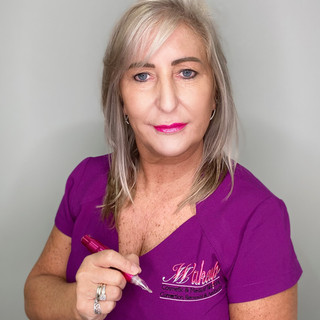
A permanent makeup appointment should never begin with a needle. The permanent makeup consultation process is where you can ask every question, share what you would like to improve and decide, without pressure, whether treatment feels right for you. For many clients, particularly those who feel nervous or have never had an aesthetic treatment before, this calm conversation is the part that turns uncertainty into confidence.
At Wakeup Makeup, consultation is not a formality before a treatment. It is the foundation for creating brows, lips or eyeliner that suit your features, lifestyle and comfort level - while putting your safety first.
What a permanent makeup consultation is really for
Permanent makeup is a personal treatment. A beautifully healed result is not simply about choosing a fashionable brow shape or a lip shade you have seen online. It depends on your skin, natural colouring, facial structure, existing hair growth, medical history and the look you feel comfortable wearing every day.
Your consultation gives your practitioner time to listen properly. You may want soft, fluffy-looking brows because you are tired of filling sparse areas each morning. You may be looking for lip blush to restore definition that has faded over time, or a subtle lash enhancement to make your eyes look more awake without daily eyeliner. These are useful starting points, but the final treatment plan should be individual to you.
It is also a space for honest expectations. Permanent makeup can enhance and balance natural features, but it is not designed to create a heavy, sharply made-up effect unless that is appropriate for your skin and preferences. Pigment also heals softer than it first appears, and longevity varies from person to person. Talking openly about this at the beginning helps avoid surprises later.
Before your consultation: what to bring and share
You do not need to arrive knowing exactly what you want. In fact, many clients come in with only a general feeling: they want to look fresher, save time in the morning, or feel more confident without makeup. That is enough to begin the conversation.
It can be helpful to bring a few photographs of looks you like, as well as examples you do not like. Your practitioner can use these to understand whether you are drawn to a soft powder brow, hair-stroke effect, natural lip tint or more defined finish. Photographs are a reference rather than a promise. The same style can look very different on different skin types and face shapes.
Please also be ready to discuss any previous permanent makeup, tattooing, brow lamination, lash treatments, fillers or skincare procedures. Existing pigment may affect what can safely be achieved, particularly if it has changed colour, migrated or sits outside your ideal shape. In some cases, correction work, fading sessions or a more cautious plan may be needed before new permanent makeup is considered.
Your health and suitability assessment
A professional consultation includes a detailed health questionnaire. This is not about making the process feel clinical for the sake of it. It allows your practitioner to assess whether treatment is suitable and what precautions may be needed.
You may be asked about allergies, skin conditions, medications, pregnancy or breastfeeding, blood-thinning medication, autoimmune conditions, diabetes, cold sores, previous reactions to anaesthetic or pigment, and recent medical procedures. Certain circumstances may mean treatment needs to be postponed, adapted or discussed with your GP or relevant clinician first.
For lip blush, a history of cold sores is especially important. The skin trauma involved in treatment can trigger an outbreak, so clients may need medical advice about antiviral medication before proceeding. If you have active acne, eczema, dermatitis, sunburn, an infection or broken skin in the treatment area, it is usually kinder and safer to wait until the skin has fully settled.
Being honest protects you. A reputable practitioner would rather delay an appointment than compromise your comfort, healing or result.
The permanent makeup consultation process step by step
Your practitioner will begin by asking what has brought you in and how you currently use makeup. This includes practical details that are easy to overlook: whether you wear glasses, how much time you spend outdoors, whether you exercise regularly, and how willing you are to follow aftercare. These factors can influence design choices and pigment retention.
Next comes an assessment of the treatment area. For brows, this may include looking at natural hair pattern, asymmetry, muscle movement and skin texture. Nobody's face is perfectly symmetrical, and trying to force identical brows can look less natural than respecting the face as it is. For lips, the practitioner will assess shape, tone, definition and any unevenness. For eyeliner, eye shape, lids and the health of the surrounding skin all matter.
Designing a shape that still feels like you
Mapping is one of the most reassuring parts of the consultation. Using professional measuring techniques, your practitioner can show you a proposed brow outline or discuss how lip definition may be refined. You should have the opportunity to look, ask for adjustments and say if something does not feel like you.
The goal is not to give every client the same brow or lip shape. A soft design that complements your face and your usual makeup style will usually remain flattering long after trends have changed. If you are unsure, starting more conservatively is often the wiser option. A result can be built up at a planned top-up appointment, whereas making a bold design softer is far more difficult.
Choosing pigment and technique
Pigment selection is about more than picking a colour from a chart. Your natural skin undertone, hair colour, existing makeup and desired healed result all need consideration. Fresh pigment can look stronger immediately after treatment, then soften significantly during healing. Your practitioner should explain this clearly, rather than showing only photographs taken straight after a procedure.
Technique matters too. Fine hair strokes can be beautiful, but they are not always the best choice for every skin type. Oily, mature or heavily textured skin may retain some techniques differently, and a shaded or pixelated finish may heal more predictably. The right recommendation is the one that gives you the best chance of a soft, stable result, not simply the technique currently most popular on social media.
Questions about discomfort, healing and safety
It is entirely reasonable to ask whether permanent makeup hurts. Most clients describe it as manageable rather than painful, although everyone experiences treatment differently. A suitable topical anaesthetic may be used to support comfort, and your practitioner should check in with you throughout treatment rather than expecting you to simply tolerate discomfort.
You should also be given a realistic outline of healing. The area may look darker, more defined or slightly swollen at first. During the following days, light flaking and temporary patchiness can occur as the skin heals. It can take several weeks for the colour to settle properly, which is why an initial top-up appointment is commonly planned after healing.
Aftercare is part of your result. You may need to avoid touching the area unnecessarily, swimming, saunas, intense exercise, direct sun exposure and makeup on the treated area for a specified period. Your exact instructions will depend on the procedure, your skin and the products used. This is one reason a thorough consultation matters: aftercare should feel clear and achievable before you commit.
Ask how pigments are stored, whether single-use sterile needles and consumables are used, what hygiene procedures are followed, and what support is available if you have a concern during healing. You are not being difficult by asking. You are making an informed decision about a treatment that affects your skin and appearance.
When the best advice is to wait
A consultation does not have to end with an immediate booking. Sometimes the most professional recommendation is to wait. You may be preparing for a holiday, recovering from another procedure, using skincare that needs to be paused, or simply uncertain about the style you want.
Equally, treatment may not be suitable if expectations are unrealistic or if the desired result would not work well with your skin, existing tattoo or facial features. Honest guidance is a sign of good care, not a missed opportunity. You should leave feeling informed and respected, whether you book that day or take time to think.
What happens once you decide to go ahead
Once you are happy with the plan, you can book your treatment and any required patch test or pre-treatment checks. Follow the preparation advice carefully, including guidance around alcohol, caffeine, certain medications and active skincare where relevant. Do not stop prescribed medication without advice from the clinician who prescribed it.
Your treatment appointment will revisit the agreed design and colour before anything begins. You remain part of the decision-making process throughout. Permanent makeup is most rewarding when it feels considered rather than rushed - a gentle enhancement that makes getting ready easier while still looking unmistakably like you.
The right consultation should leave you with more than a date in the diary. It should leave you feeling heard, clear on the plan and comfortable choosing a result that supports your confidence every ordinary morning.


